
Posts
Popular Categories
- Builds (15)
- Calculators (5)
- Circuit Library (1)
- DIY (20)
- Engineering Education (5)
- KiCad Files (5)
- Notes (1)
- Product Updates (2)
- Schematic (17)
- Uncategorised (8)
Search the website
-
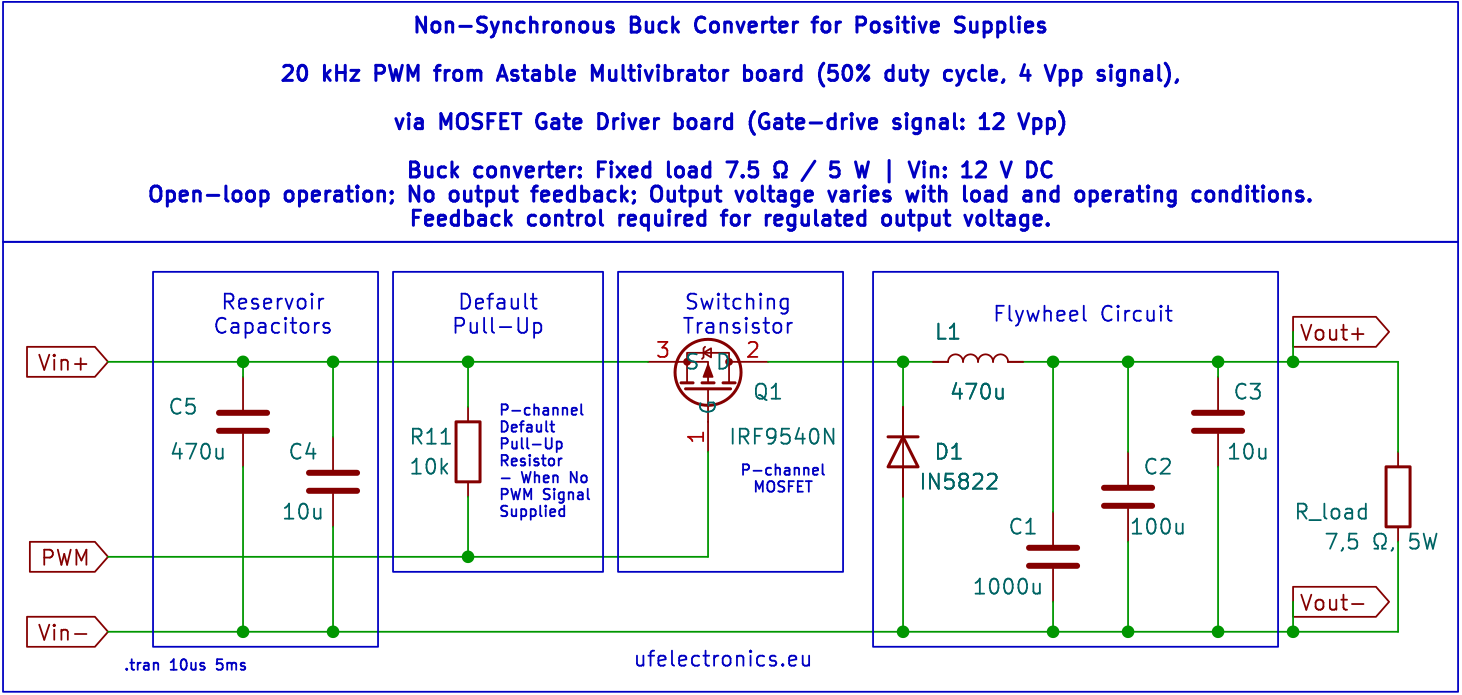
The Simple DIY Discrete Buck Converter Is Working: 80% Efficiency!
– Built with discrete components by design (no ICs), and deliberately kept simple to make it suitable for DIY. – It is a simple, open-loop, non-synchronous buck converter. It uses a 20 kHz, 50% duty-cycle astable multivibrator as the PWM signal source, a discrete transistor push-pull gate driver and a P-channel as the high-side switch.…
-
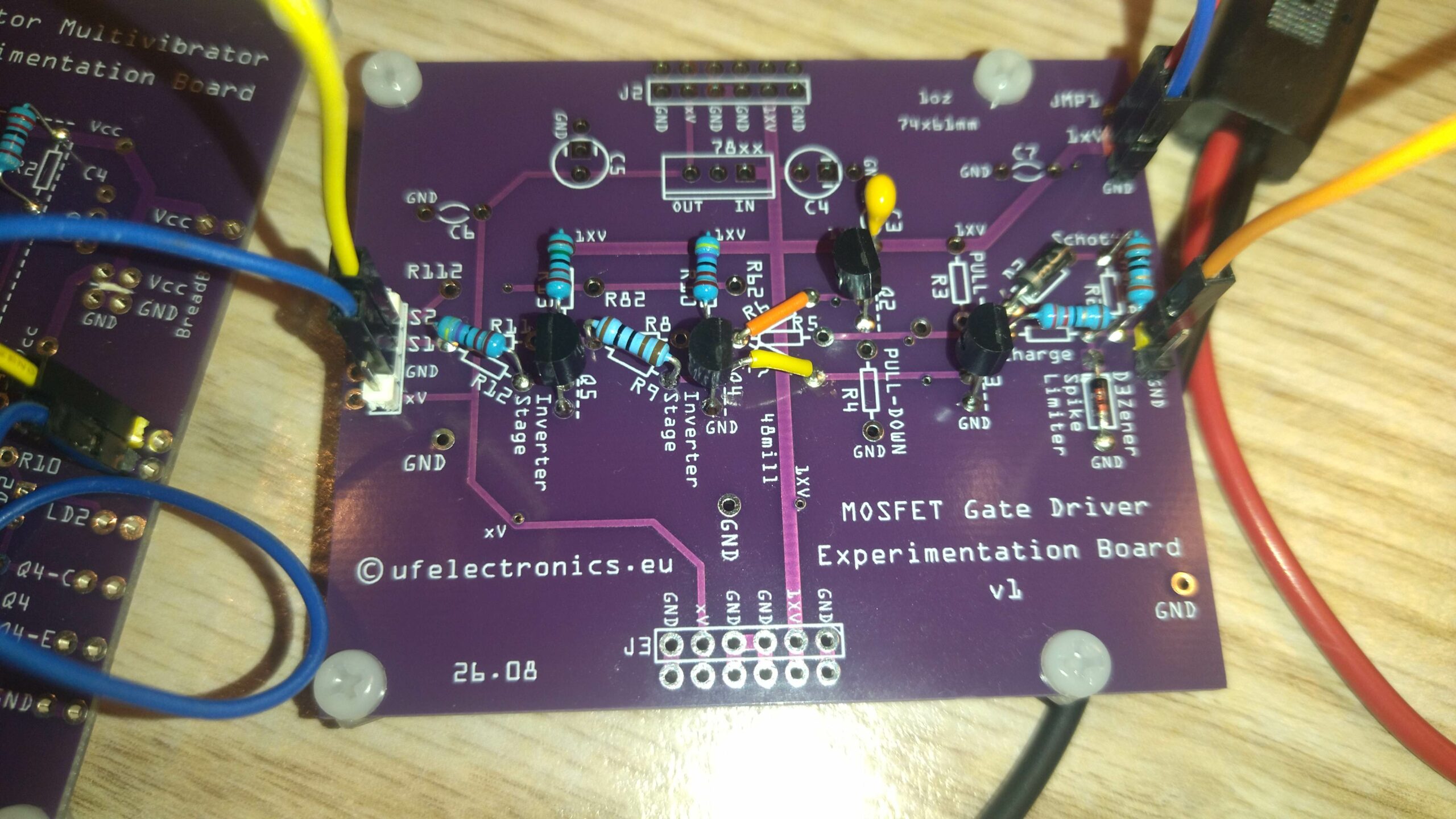
Understand MOSFET gate driving by building one with transistors
Investigating how basic components work is my guiding principle in this part of the DIY buck converter project, too. The circuit is built around a push-pull output stage, with several refinements and some essential supporting components. * Q2 and Q3 – Push-pull stage: Q2 sources current to charge the MOSFET gate; Q3 sinks current to…
-
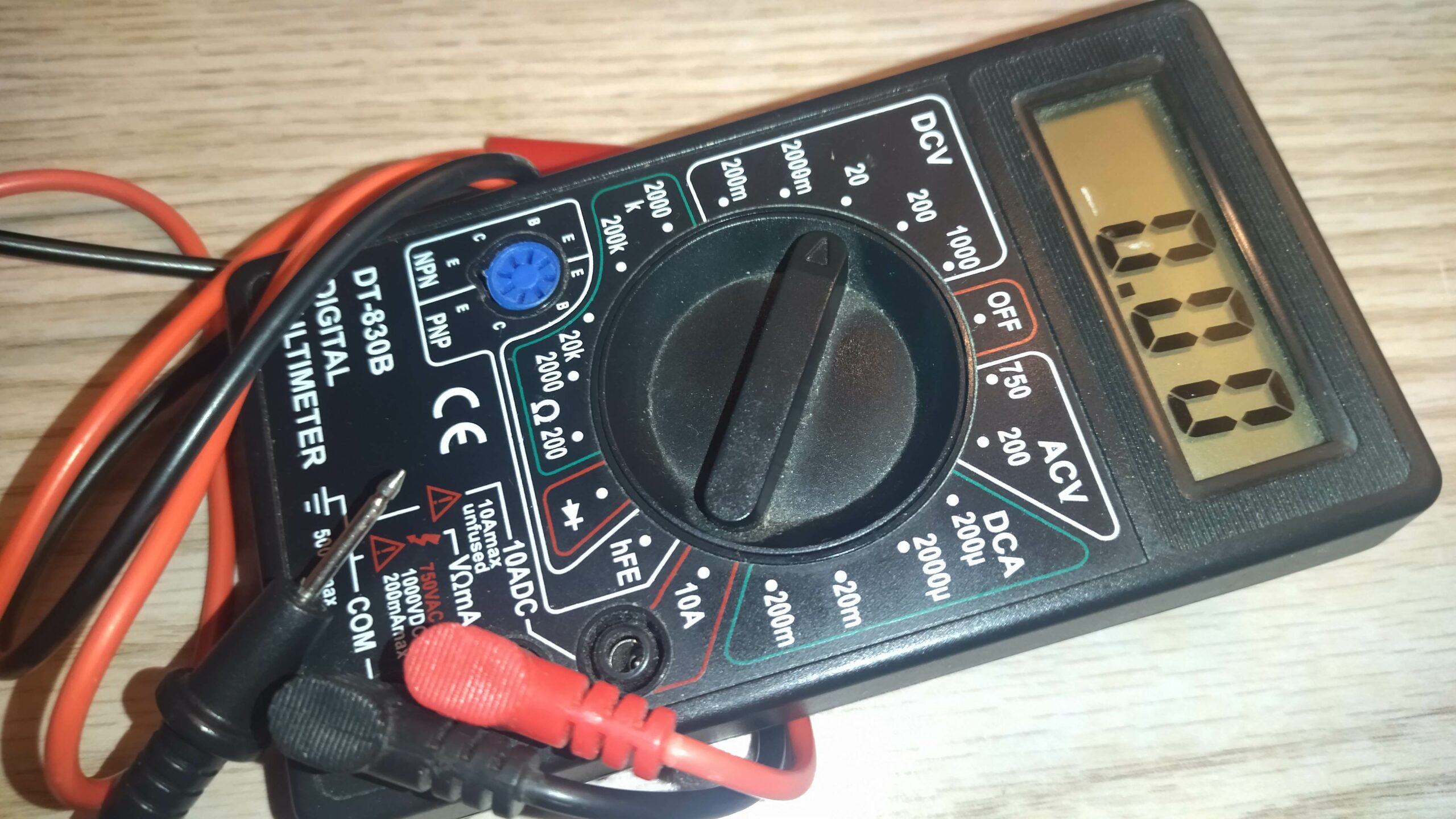
Can You Trust a $20 Multimeter? – Rebuilding Trust, One Measurement at a Time
I own a cheap multimeter. It cost around $20. And I have access to an Agilent 34401A. Now, let’s be realistic. Nobody expects a $20 multimeter to outperform an Agilent. That would be ridiculous. But does that mean we should simply accept that our cheap multimeters are inaccurate and live with it? I decided to…