
Author: Andrew
-
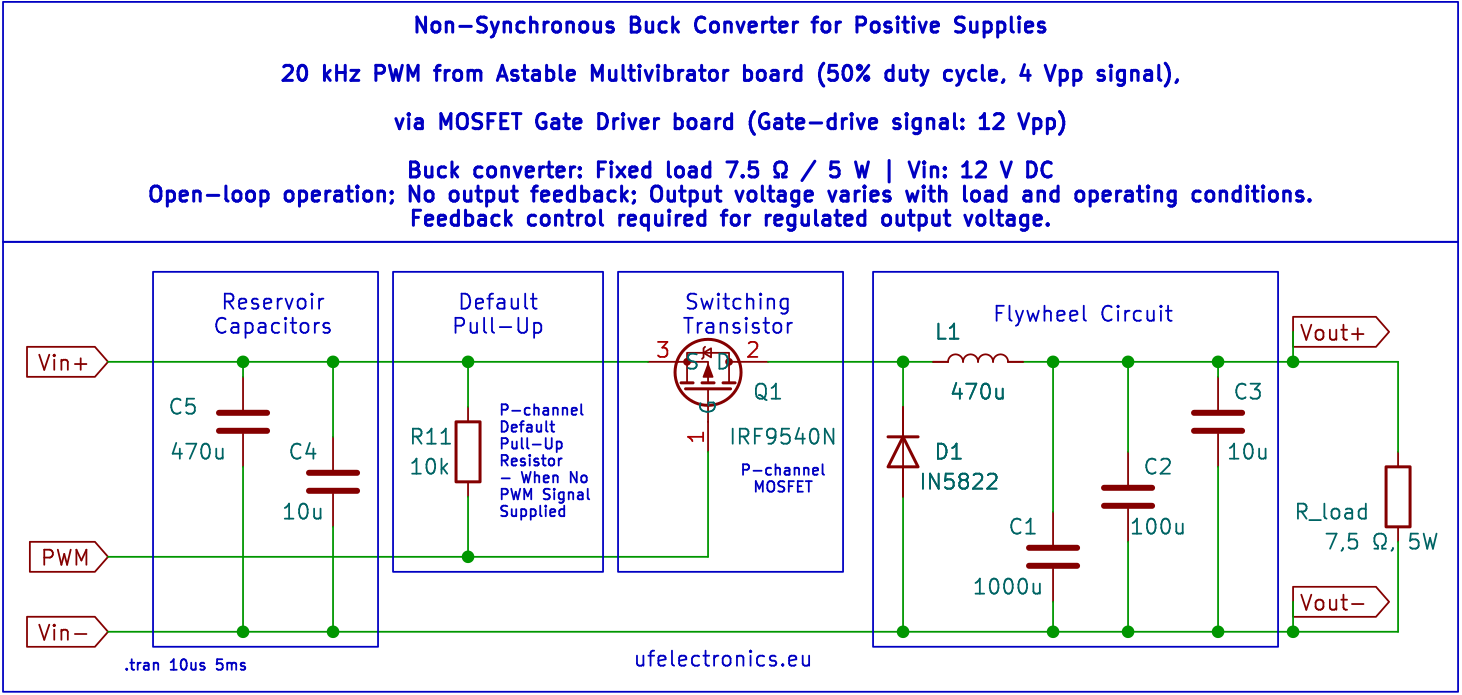
The Simple DIY Discrete Buck Converter Is Working: 80% Efficiency!
– Built with discrete components by design (no ICs), and deliberately kept simple to make it suitable for DIY. – It is a simple, open-loop, non-synchronous buck converter. It uses a 20 kHz, 50% duty-cycle astable multivibrator as the PWM signal source, a discrete transistor push-pull gate driver and a P-channel as the high-side switch.…
-
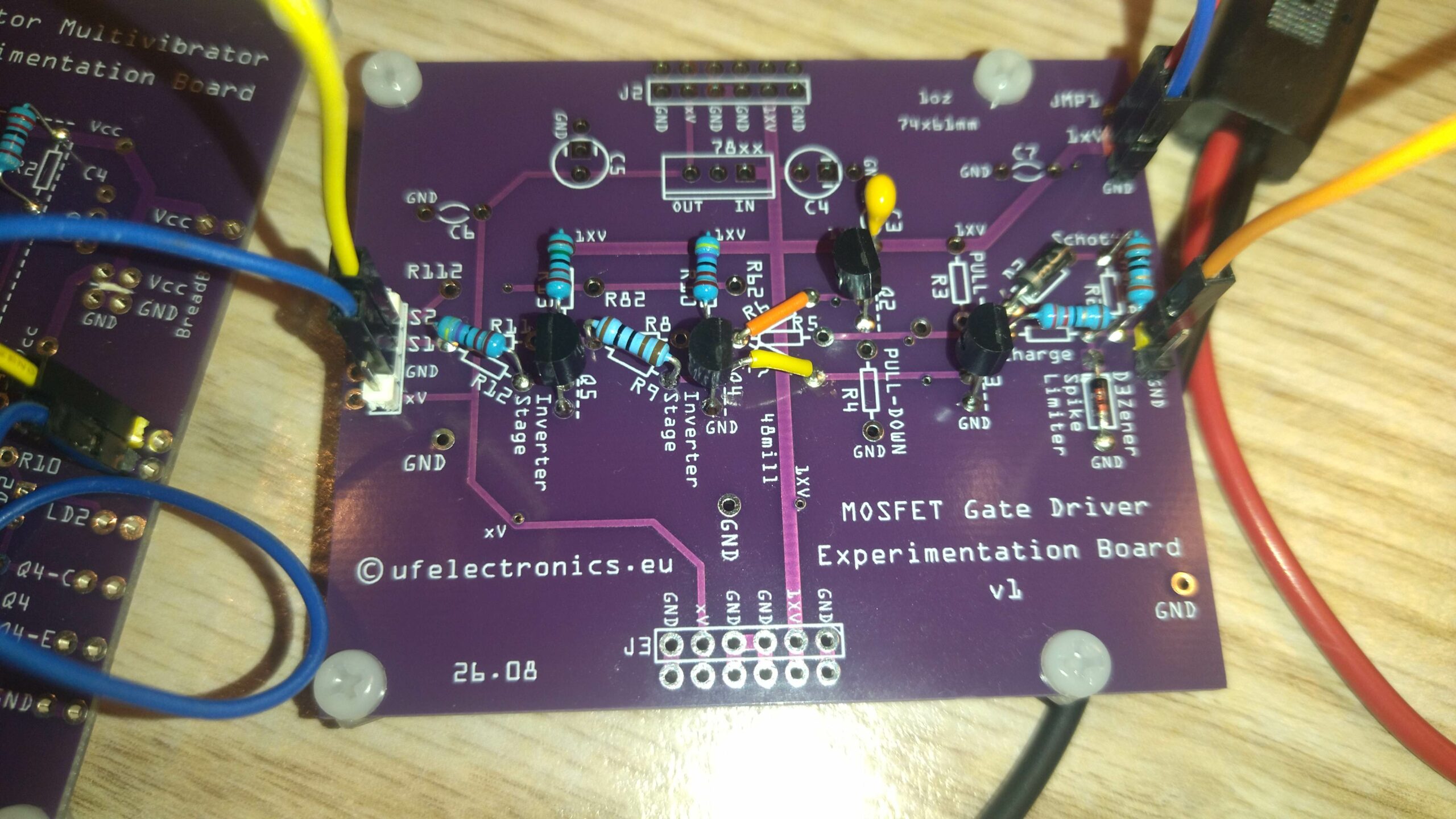
Understand MOSFET gate driving by building one with transistors
Investigating how basic components work is my guiding principle in this part of the DIY buck converter project, too. The circuit is built around a push-pull output stage, with several refinements and some essential supporting components. * Q2 and Q3 – Push-pull stage: Q2 sources current to charge the MOSFET gate; Q3 sinks current to…
-
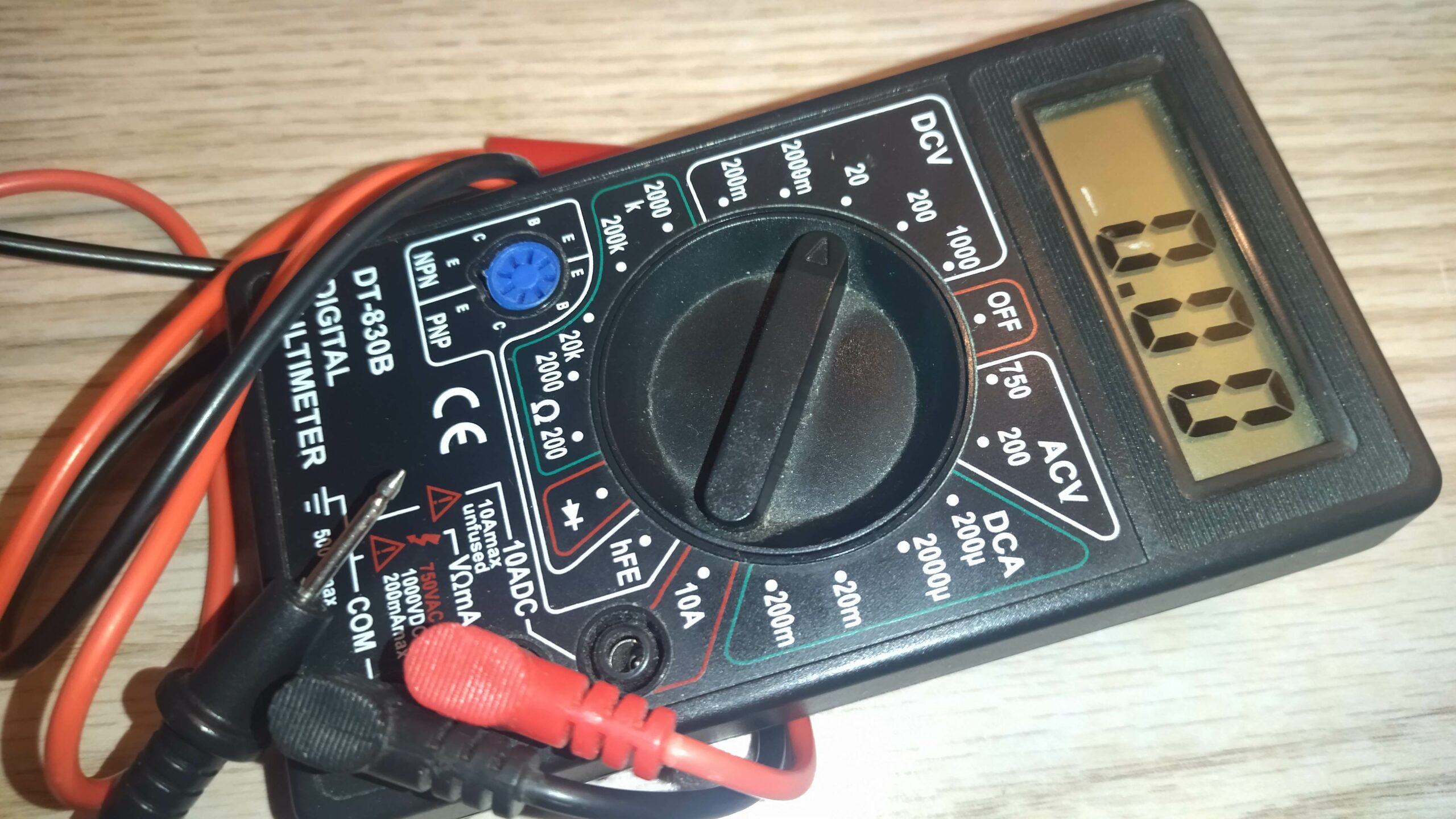
Can You Trust a $20 Multimeter? – Rebuilding Trust, One Measurement at a Time
I own a cheap multimeter. It cost around $20. And I have access to an Agilent 34401A. Now, let’s be realistic. Nobody expects a $20 multimeter to outperform an Agilent. That would be ridiculous. But does that mean we should simply accept that our cheap multimeters are inaccurate and live with it? I decided to…
-
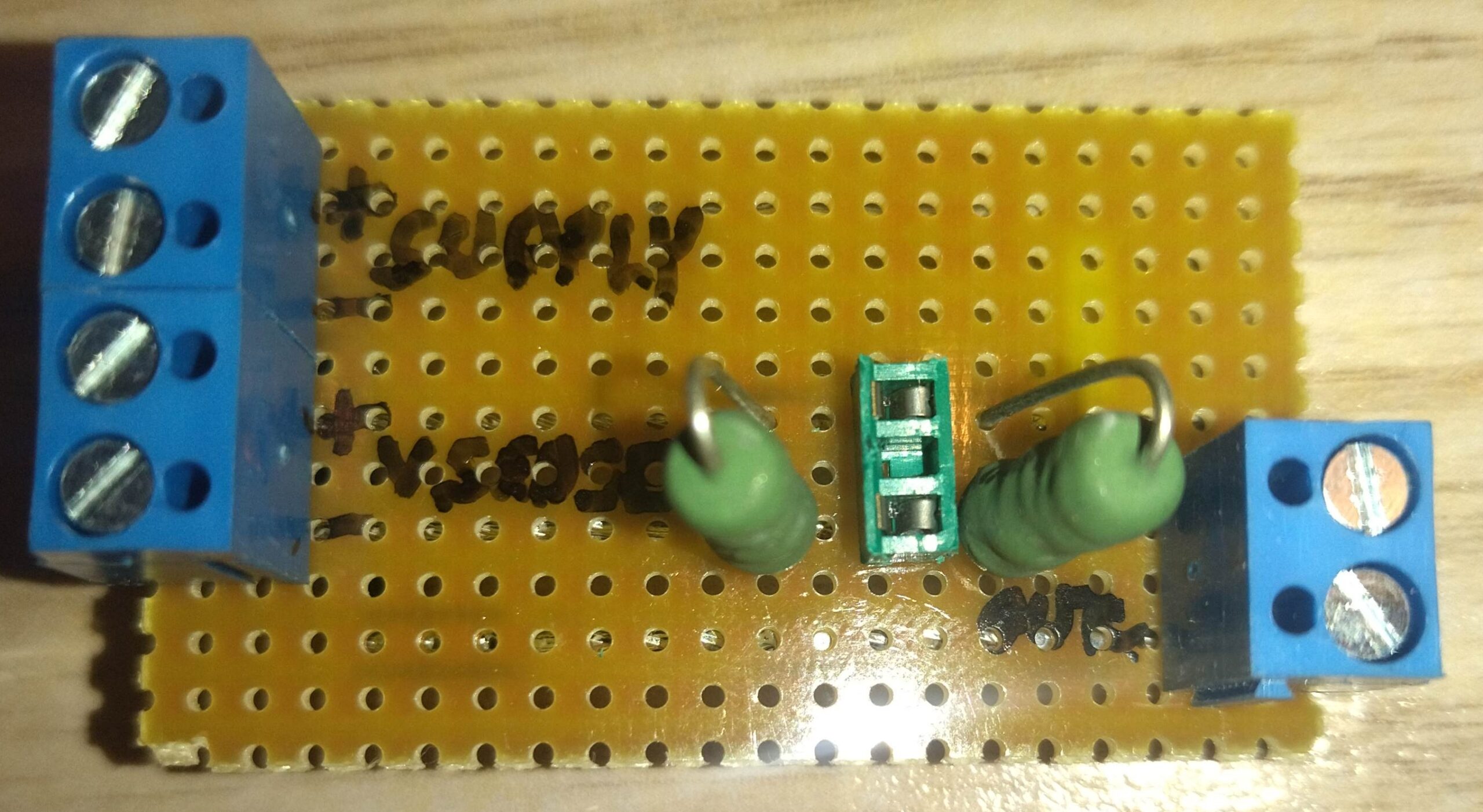
DIY shunt resistor for current measurement – how accurate is it?
I needed a shunt to measure current, but only had two 0.082 Ω, 3W resistors. Luckily, I found them in a scrapped PSU. Two resistors in parallel: 0.082 Ω || 0.082 Ω = 0.041 Ω, 6W total But how accurate is the result? And does it matter if the voltmeter connects through sense terminals about…
-
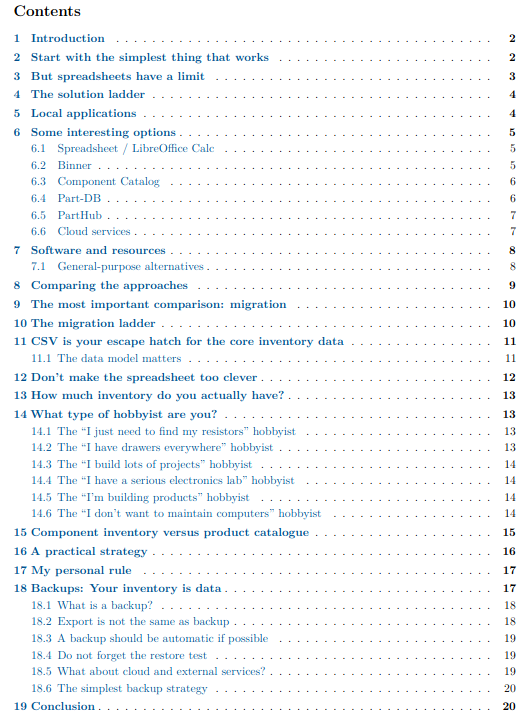
Electronics Component Inventory for Hobbyists
We’ve all been there. You know you have the component. You just don’t know where. And suddenly you’re thinking: “Maybe I need an inventory system.” – But do you? * A spreadsheet may be enough. * A local application may be enough. * A dedicated inventory system may be worth it. * Or maybe you…
-
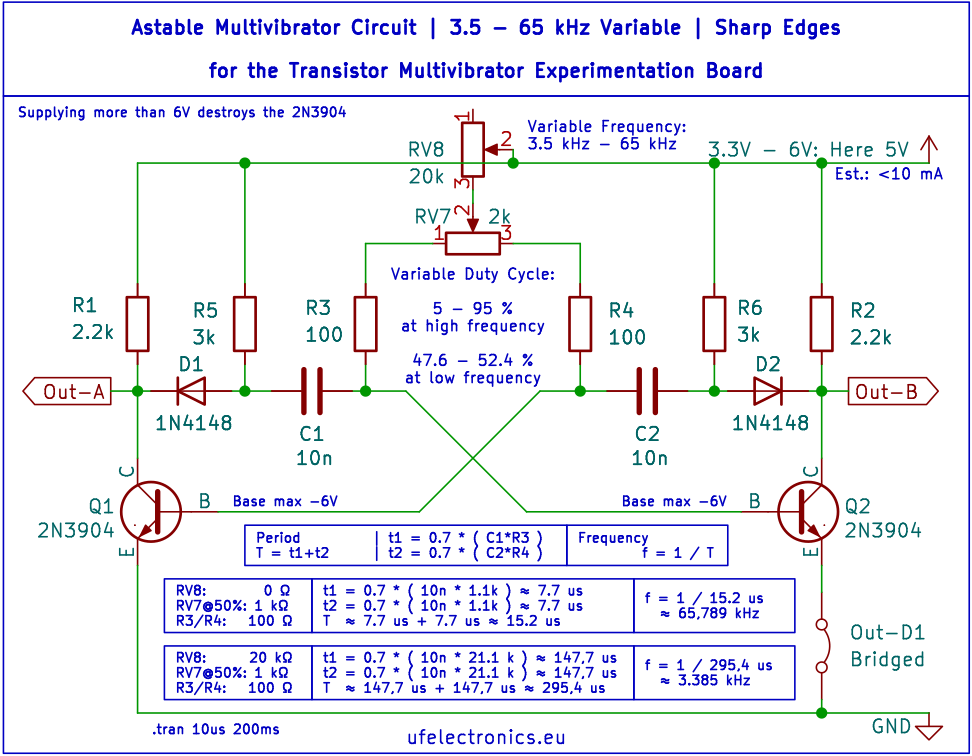
No signal generator? – Build a variable astable multivibrator
This one is intended to provide the ~20 kHz switching signal for our future buck converter. The AMV (astable multivibrator) gives us the signal, but we’re not quite ready to drive the MOSFET yet. We still need a gate driver between the AMV and the MOSFET to turn the 6 V logic-level signal into a…
-
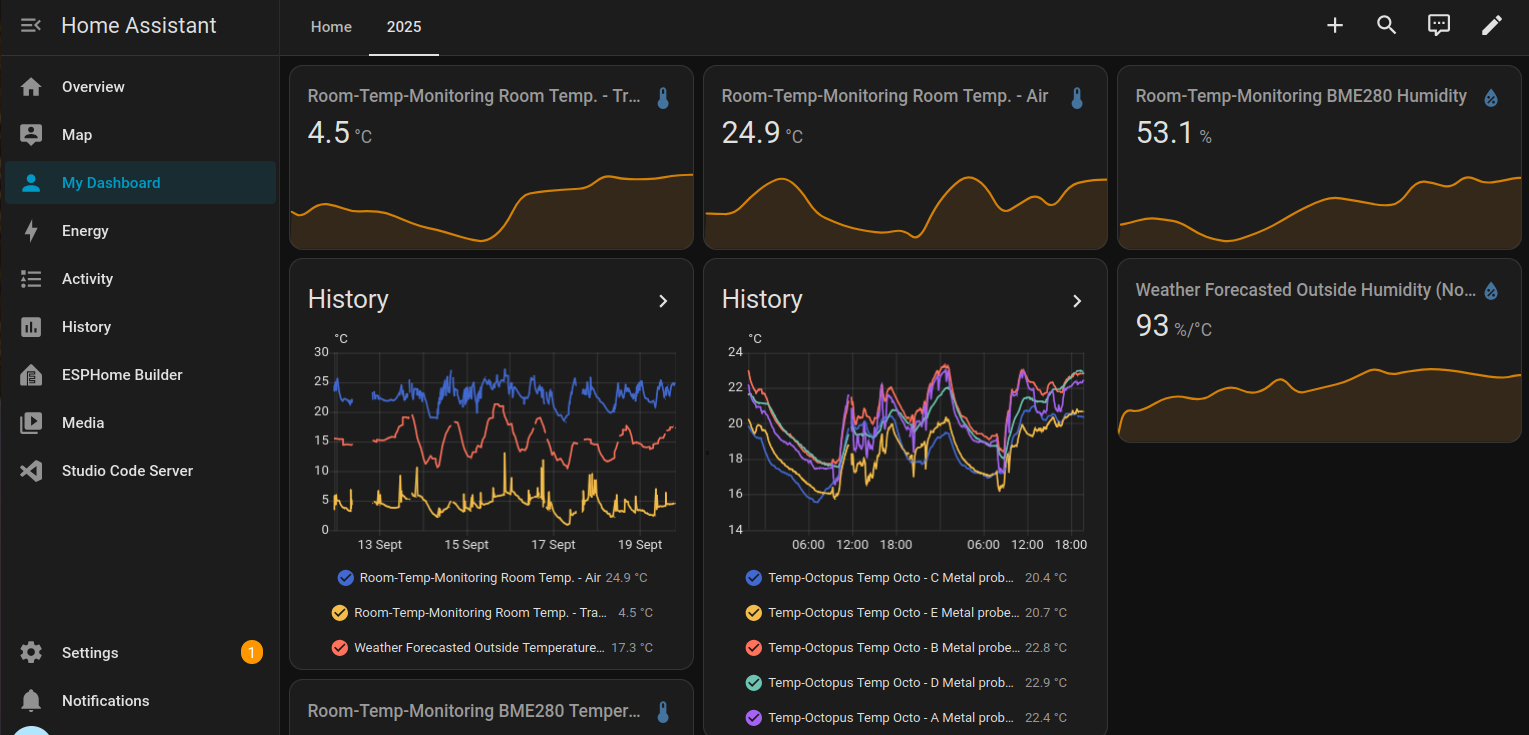
What happens when you combine a caravan, Home Assistant, 43 gas bottles and a year of weather data?
Over the past year I’ve recorded every time I connected a new 11 kg gas bottle to my caravan, including the exact date and time. At the same time, Home Assistant recorded the outside temperature throughout. With these two datasets, I could look at the relationship between outside temperature and actual gas consumption. I got…
-
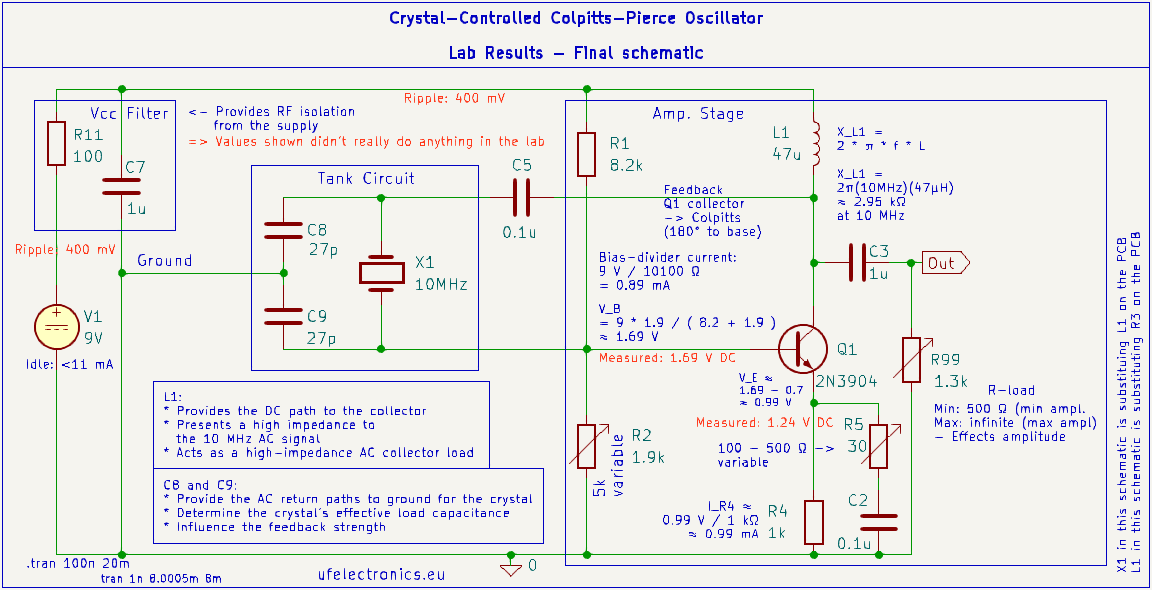
10 MHz Crystal Oscillator – Schematic and Build
The circuit has been built and tested on the bench. Below are some measurements from testing different component values and operating conditions. R5 – Emitter Resistor R5 = 30 Ω 4.74 Vpp 5.90 V min 10.64 V max R5 = 200 Ω 2.17 Vpp 7.63 V min 9.80 V max Interestingly, the lower-amplitude waveform looks…
-
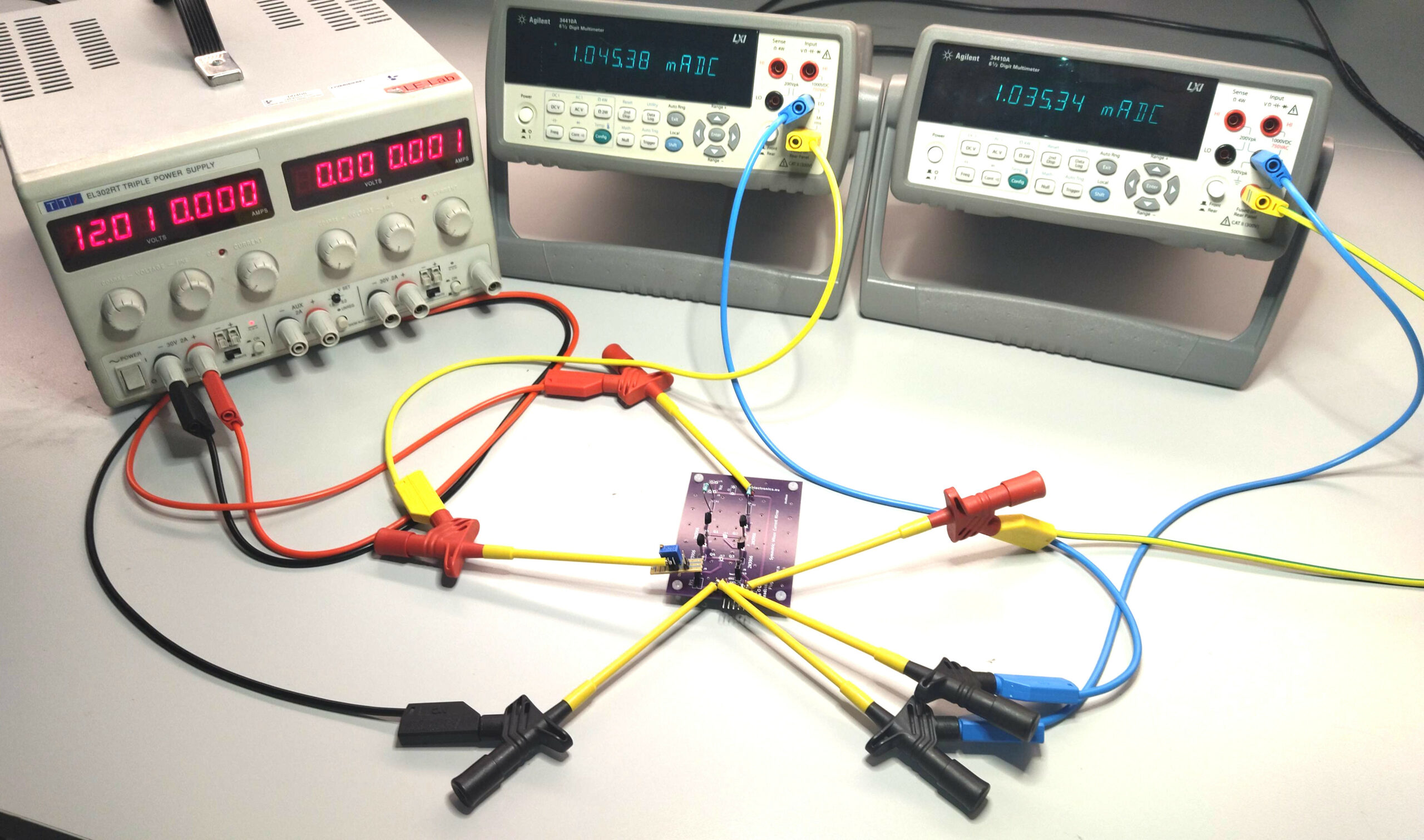
How well can a current mirror made from ordinary discrete transistors perform?…
– Only 11 µA difference between the reference current and the output current – – that is what I measured with a symmetric Wilson current source mirror built from ordinary, unmatched 2N3906 PNP transistors. For the experiment, I used: * 4 randomly selected 2N3906 PNP transistors * 2 randomly selected 18 Ω resistors * Both…
-
How to Select Component Values for P-Channel MOSFET Reverse Polarity Protection
– The MOSFET approach gives you the protection of a diode, but with a much lower voltage drop. – Destroying a project by connecting the power supply the wrong way is a nightmare. Haven’t we all been there?… To add some extra protection to my own projects, I’ve made a small board and this guide…